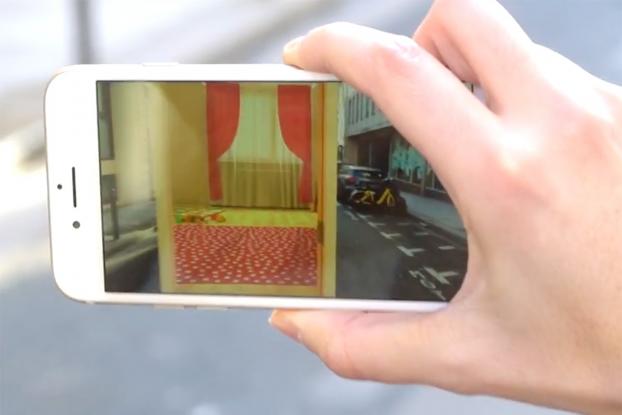
A few years ago we were asked to build something for Davos. The Red Cross wanted an experience that would make world leaders feel what civilians feel in a war zone. Heads of state. CEOs. Billionaires. People whose job is to not be moved.
We didn't show them war. We built a child's bedroom.
The idea for the room came from my partner Vincent Vella. A bedroom — just a bedroom. My job was to make you feel what happens inside it across four years of war.
Year one. Golden afternoon light. Dust floating in the sunbeams. Toys on the shelf. Drawings on the wall. You stand in this room and you feel safe.
Then an alarm. Black.
Year two. The light is colder. Gunfire outside. An explosion — the windows shatter, smoke fills the room. When it clears, the room has changed.
Year three. Worse.
Year four. The windows are boarded up. The drawings on the walls have changed — darker, smaller. A stuffed bear on the floor. The toys are gone. The child is gone. You don't know what happened to the child. The room knows but it won't tell you.
No character. No dialogue. No voiceover. Just a room that changes.
People wept.
But the thing I remember most isn't the tears. It's the silence after. People came out and didn't speak. The room had said everything.
Here's what I learned from that room. You don't need a story to move people. You need a place with enough specific detail that the viewer fills in everything else. The golden dust in the sunbeams. The drawings that change. The bear on the floor. Everyone has seen a child's bedroom. Everyone can project their own child, their own brother, themselves.
Build a place. Make it real enough. Step back. Let it speak.
 AJByAlexandra Jardine